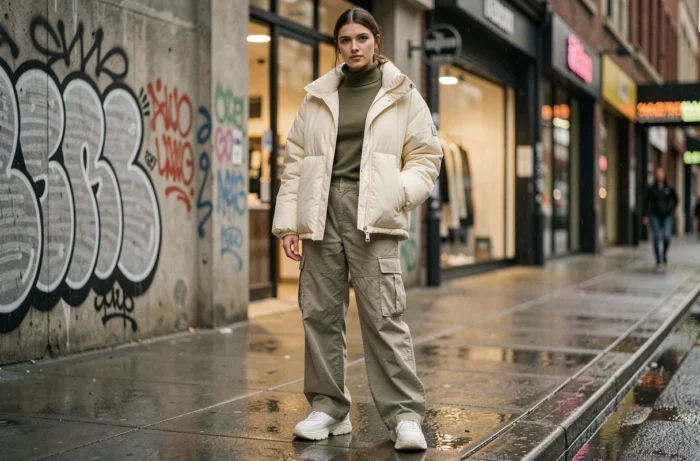
The streetwear and urban fashion market is undergoing a phase of accelerated transformation. The autumn-winter 2026 collections unveiled during the latest fashion weeks incorporate codes previously reserved for haute couture, while the European regulations on textiles are reshaping production constraints.
With the structural rise of resale, the arrival of new brands in strategic commercial areas, and a tightening legislative framework, the landscape of urban fashion this fall 2026 is no longer what it was two years ago.
European textile regulation: what changes for streetwear brands
The European Union’s new circular strategy for fashion is profoundly altering the conditions for the production and marketing of urban clothing.
The EU is working on implementing a Digital Product Passport for textiles. This system will require brands to provide the exact composition, manufacturing conditions, and complete traceability of each garment sold in the European market. For streetwear labels producing in Southeast Asia or Turkey, the administrative burden is expected to be significant.
At the same time, the principle of extended producer responsibility (EPR) is becoming widespread. Italy has already begun requiring foreign producers selling in its territory to comply with these new obligations. Urban brands selling online across Europe will need to factor these costs into their prices, which could reshape the competitive landscape between independent labels and large groups.
Following fashion news on La Mode Urbaine allows one to gauge how these regulatory changes are concretely impacting collections and in-store prices.
Resale of urban clothing: a market that structures the entire industry
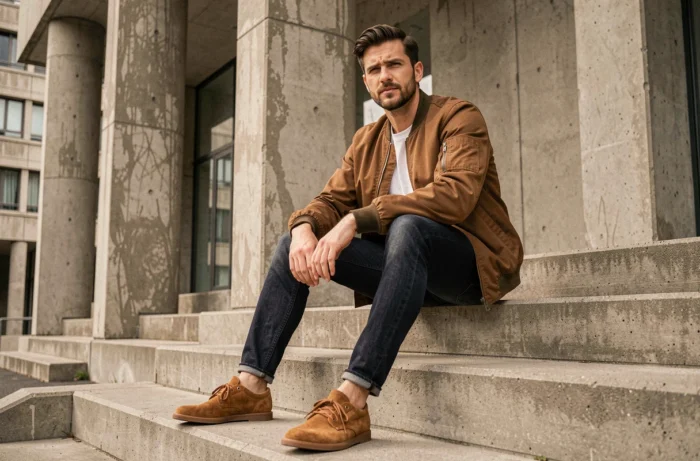
The second-hand market in streetwear is no longer a niche phenomenon driven by a few collectors of limited sneakers. It is becoming a structural segment of the textile market.
ThredUp published its annual impact report in 2026, detailing the volumes of CO₂ avoided and water saved through the resale of clothing. Resale is now integrated into the ESG strategies of major platforms, no longer treated as a secondary channel.
What changes the game for urban fashion:
- “Pre-owned” streetwear pieces circulate at a speed comparable to new items on resale platforms, altering the perception of the residual value of an urban garment
- Some brands are beginning to integrate resale into their own ecosystem by offering buyback or consignment programs directly on their site
- The traceability imposed by European regulation (Digital Product Passport) will ultimately facilitate the authentication of second-hand pieces, a critical point for sneakers and limited collaborations
Field reports diverge on one point: does resale cannibalize sales of new collections, or does it create a pull effect that broadens the customer base? The available data does not yet allow for a definitive answer.
New streetwear brands in Paris: rue de Rivoli as a barometer
The opening of Footshop at 63 rue de Rivoli on June 3, 2026, illustrates a broader movement. This Czech brand, specializing in sneakers and streetwear, has chosen Paris for its first French location, targeting one of the busiest thoroughfares in the first arrondissement.
Paris remains the preferred testing ground for European streetwear brands looking to enter the French market. Rue de Rivoli now hosts several retail outlets dedicated to sneaker culture and urban brands, alongside historic generalist retailers.
This choice of location also signals a shift. Streetwear brands are no longer confined to neighborhoods traditionally associated with urban culture (Châtelet, Bastille, Canal Saint-Martin). They are targeting high-traffic tourist locations, indicating that urban fashion appeals to a much broader audience than its historical base.
Sneakers and collaborations: what the release calendar reveals
The pace of limited-edition sneaker releases has further accelerated in fall 2026. Collaborations between sports brands and fashion labels are multiplying, but the model is beginning to show its limits. The proliferation of “drops” dilutes the rarity effect that gave these pieces their perceived value.
Several brands are adjusting their strategy by reducing the number of collaborations to refocus on permanent pairs with a strong identity. The trend is shifting towards an emphasis on manufacturing quality and product durability, rather than solely on the storytelling of the collaboration.
Urban fashion autumn-winter 2026: standout silhouettes
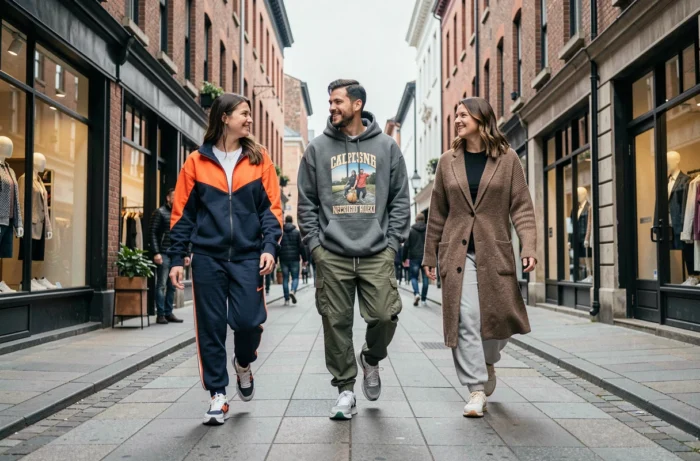
The trend towards the return of the “conventional look,” identified by forecaster Lidewij Edelkoort, is confirmed in the autumn-winter 2026 collections. Streetwear silhouettes are absorbing more classic codes: structured shirts worn open over graphic t-shirts, pleated trousers paired with technical sneakers, layering with tailored pieces.
Streetwear is not disappearing; it is absorbing the codes of classic wardrobes. The boundary between office attire and streetwear is becoming increasingly blurred, reflecting lifestyles where contexts (work, leisure, outings) blend in daily life.
The men’s shirt is making a strong comeback in urban men’s collections, worn in a less formal way than in a suit but more structured than a simple hoodie. For women, oversized cuts remain present but gain precision, with more pronounced shoulders and denser materials suited for autumn.
Climate change is also influencing creation. Several brands have postponed the release of their warmest pieces, anticipating milder autumns. Technical fabrics with thermoregulation, borrowed from outdoor wear, are appearing in urban pieces designed for the city.
Thus, fall 2026 marks less of a stylistic break than a structural readjustment. Aesthetic trends still matter, but it is the regulatory constraints, the rise of resale, and commercial location choices that are reshaping the urban fashion market.